Most dairy farmers wouldn't knowingly leave money running down the drain.
But if there's a leak in your water system, that's exactly what could be happening.
Water is one of the most important inputs on a dairy farm. It supports milk production, animal health, pasture growth, and day-to-day operations. Yet many water issues go unnoticed until they start affecting performance.
And during a hot, dry season, the consequences can be even greater.
Every litre of milk starts with water
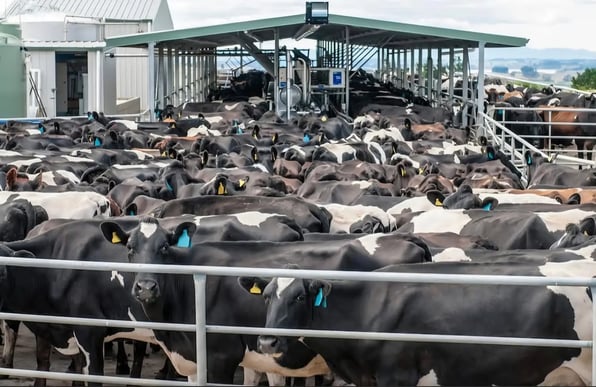
Dairy cows need a surprising amount of water.
A typical dairy cow will drink between 60 and 120 litres of water per day, depending on production levels, feed intake, and weather conditions. During hot weather, water demand can increase significantly, with high-producing cows under heat stress potentially requiring around 200 litres or more each day.
A useful rule of thumb is that cows require around 4-5 litres of drinking water for every litre of milk they produce.
That's why water isn't just another farm resource. It's a direct input into milk production.
When water intake drops, production often follows.
Hot weather puts water systems under pressure
El Niño conditions often bring hotter, drier weather to many parts of New Zealand.
As temperatures rise:
- Cows drink more water
- Water trough demand increases
- Evaporation rates rise
- Irrigation demand often increases
- Water infrastructure works harder
The challenge is that water systems are under the greatest pressure precisely when reliable supply matters most.
A small issue that goes unnoticed during spring can become a much bigger problem during a summer heatwave.
Water leaks cost more than lost water
When farmers think about water leaks, they often think about wasted water.
But that's only part of the story.
A hidden leak can also mean:
- Higher pumping costs
- Increased energy use
- Reduced water availability where it's needed most
- Pressure on storage capacity
- Reduced confidence in water allocation decisions
In some cases, a leak can continue for days or weeks before it's discovered.
By then, the costs may be much higher than the value of the lost water alone.
It's not just water you're losing
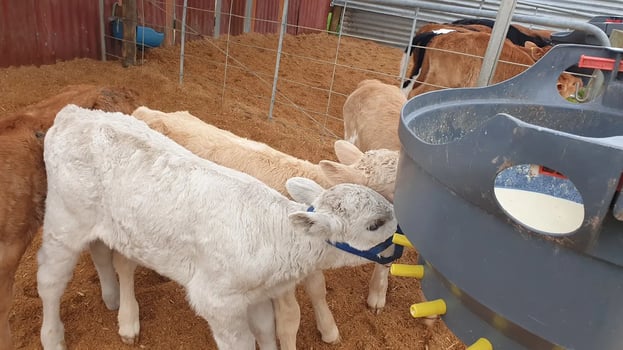
Many dairy farmers use systems such as Dosatrons to deliver minerals and treatments through their stock water network.
These treatments can include supplements such as magnesium and calcium that support animal health and performance.
If a leak or water supply issue affects the system, the impact may extend beyond water availability.
It can also affect the delivery of treatments that animals rely on.
What starts as a plumbing issue can quickly become an animal health issue.
And animal health issues often become profitability issues.
The earlier you find a problem, the better
Most water failures don't start as major failures.
They're often:
- Small leaks
- Failing valves
- Damaged pipes
- Blocked filters
- Pumps that aren't performing as expected
The problem is that these issues can be difficult to spot through visual inspections alone.
By the time a leak becomes obvious, thousands of litres of water may already have been lost.
Early detection gives farmers more opportunity to intervene before small problems become costly ones.
Better visibility supports better decisions
Good water management isn't just about preventing losses.
It's about understanding how water is being used across the farm.
Having visibility into water use can help farmers:
- Detect leaks earlier
- Monitor stock water consumption
- Identify unusual usage patterns
- Understand where water is being allocated
- Respond quickly when something changes
The sooner a problem is identified, the more options there are to address it.
Protecting production starts with knowing what's happening
No farmer can afford to lose production because of a water issue they didn't know existed.
Tools such as the Axioma water meter help provide visibility into water use across the farm, making it easier to identify unusual consumption patterns and investigate potential issues before they escalate.
When cows can require up to 200 litres of water per day during hot conditions, understanding what's happening in your water system becomes more than a maintenance task.
It's part of protecting production, supporting animal health, and building farm resilience.
Because when temperatures rise and pressure builds, the equation becomes very simple:
No water = no milk = no money.
How we can help
Water can't be managed effectively if you can't see what's happening.
Watermetrics helps farmers monitor water use and soil conditions across their operation, providing greater visibility into consumption patterns and helping identify issues before they become expensive problems. From soil moisture and nutrient movement to water use and leak detection, having the right information at the right time can make all the difference.
Talk to the Watermetrics team about your farm, your goals, and the challenges you're facing this season, and find out more about the monitoring solutions that could work for your operation.